March 20, 2026
Heating, ventilation, and air conditioning (HVAC) systems are integral components of modern homes and businesses. They help maintain indoor comfort, regulate temperatures, and support air quality. However, like all complex systems, HVAC units can encounter a range of problems that may compromise their functionality and efficiency. It is crucial to address these issues promptly to avoid costly repairs or replacements. According to Service Titan, over $10 billion is spent on HVAC repair and maintenance services by consumers each year. Understanding the most common HVAC issues can help property owners take proactive steps to maintain system performance and reliability.
1. Inadequate Heating and Cooling
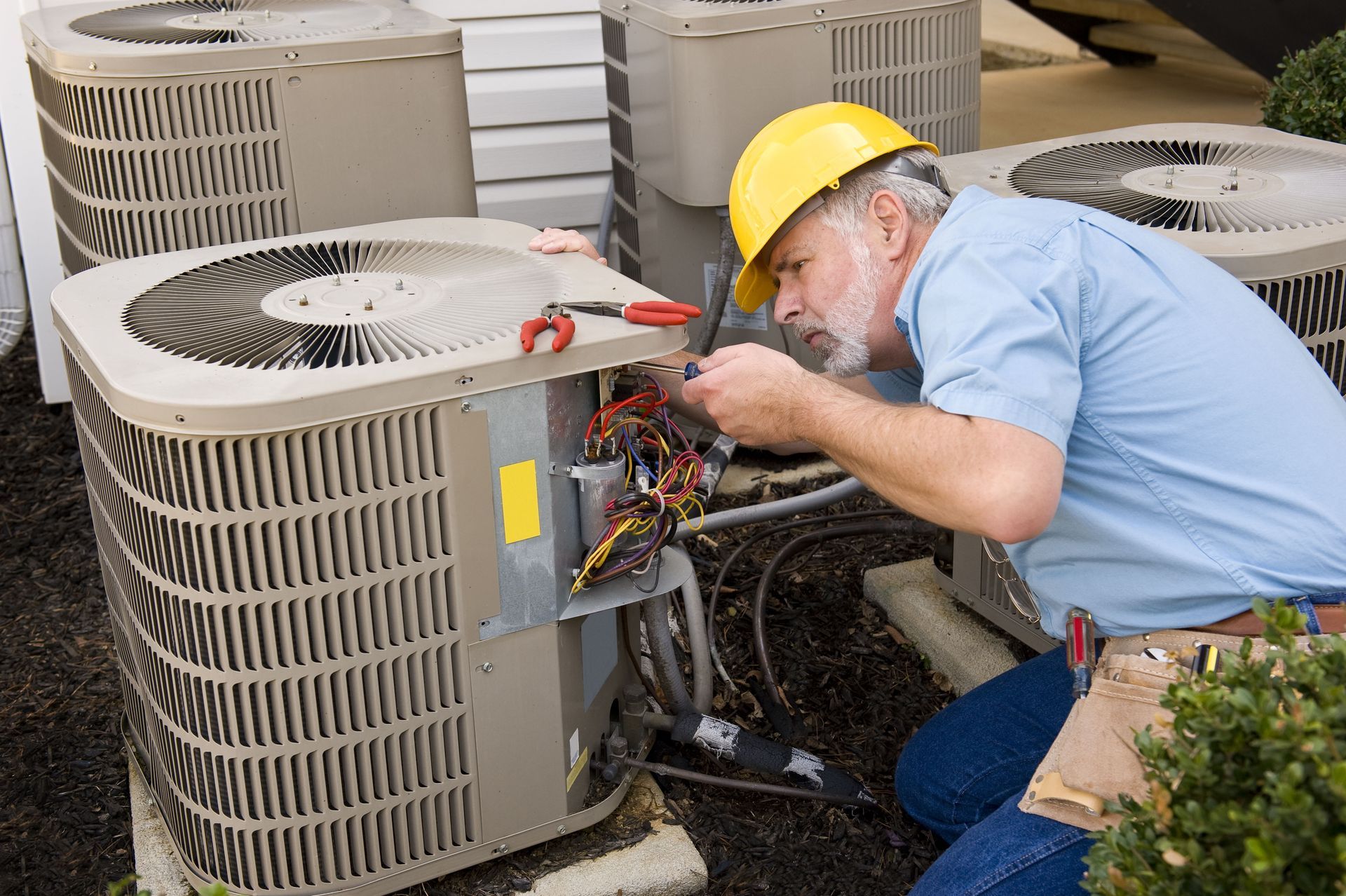
One of the most common issues homeowners face with their HVAC systems is inadequate heating or cooling. Several factors can contribute to this problem, including improperly sized units that cannot accommodate the space's thermal load. Additionally, installation errors such as poor ductwork design and incorrect refrigerant levels can hinder system performance. Wear and tear over time may also lead to decreased efficiency, as components like the compressor or fans degrade. Professional HVAC companies often encounter these issues and provide expert evaluations to identify the root causes and take proper corrective measures.
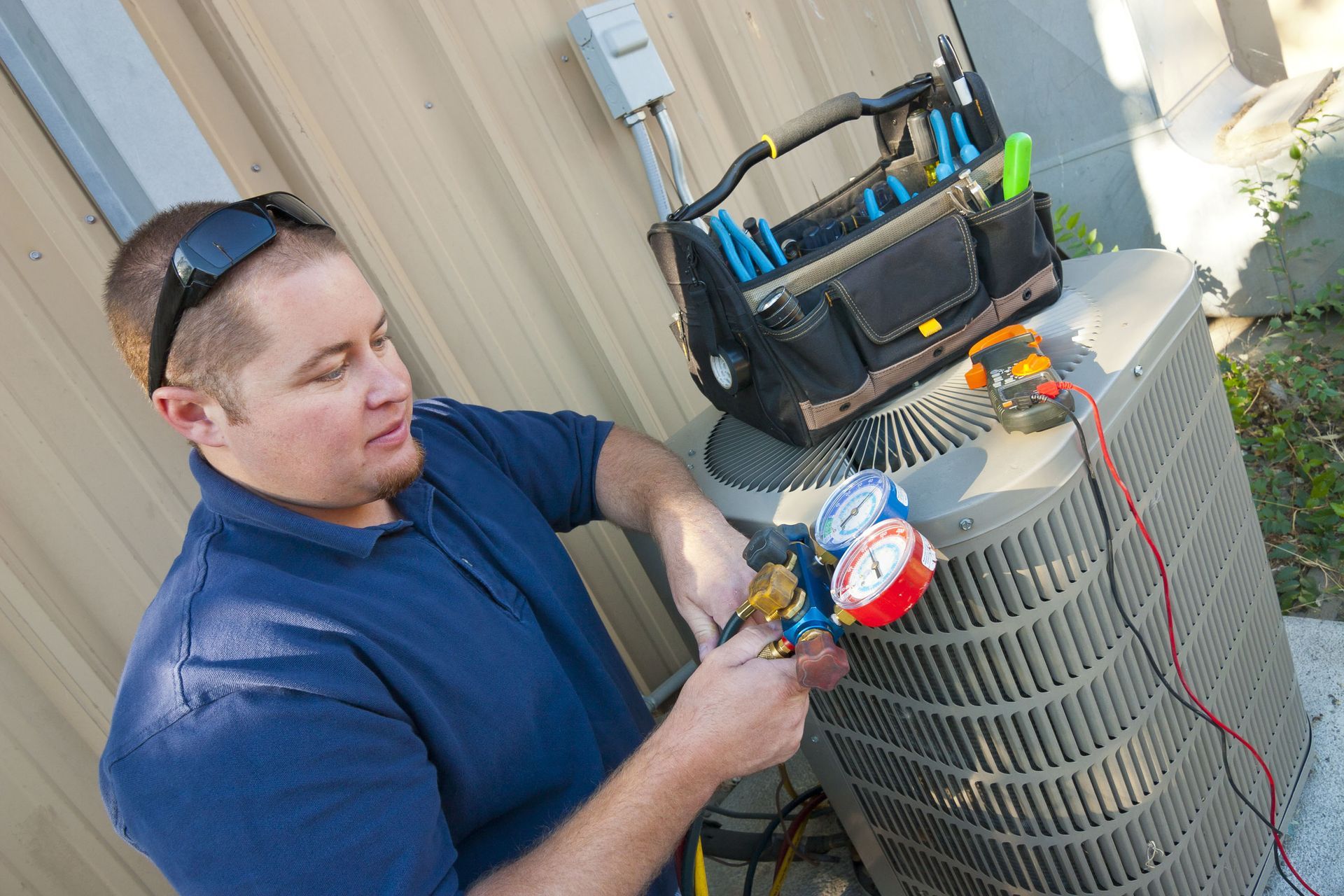
Professional HVAC companies employ advanced diagnostic tools and techniques to accurately assess system inefficiencies. They can perform detailed inspections and tests, using equipment such as manometers to measure pressure and flow rates. Thermal imaging cameras detect uneven heating or cooling, while digital manifold gauges measure refrigerant levels precisely. This diagnostic enables technicians to pinpoint specific issues affecting performance. Once identified, professionals can implement solutions ranging from component replacements to complete system overhauls, maintaining the HVAC system's optimal functioning.
2. Poor Indoor Air Quality
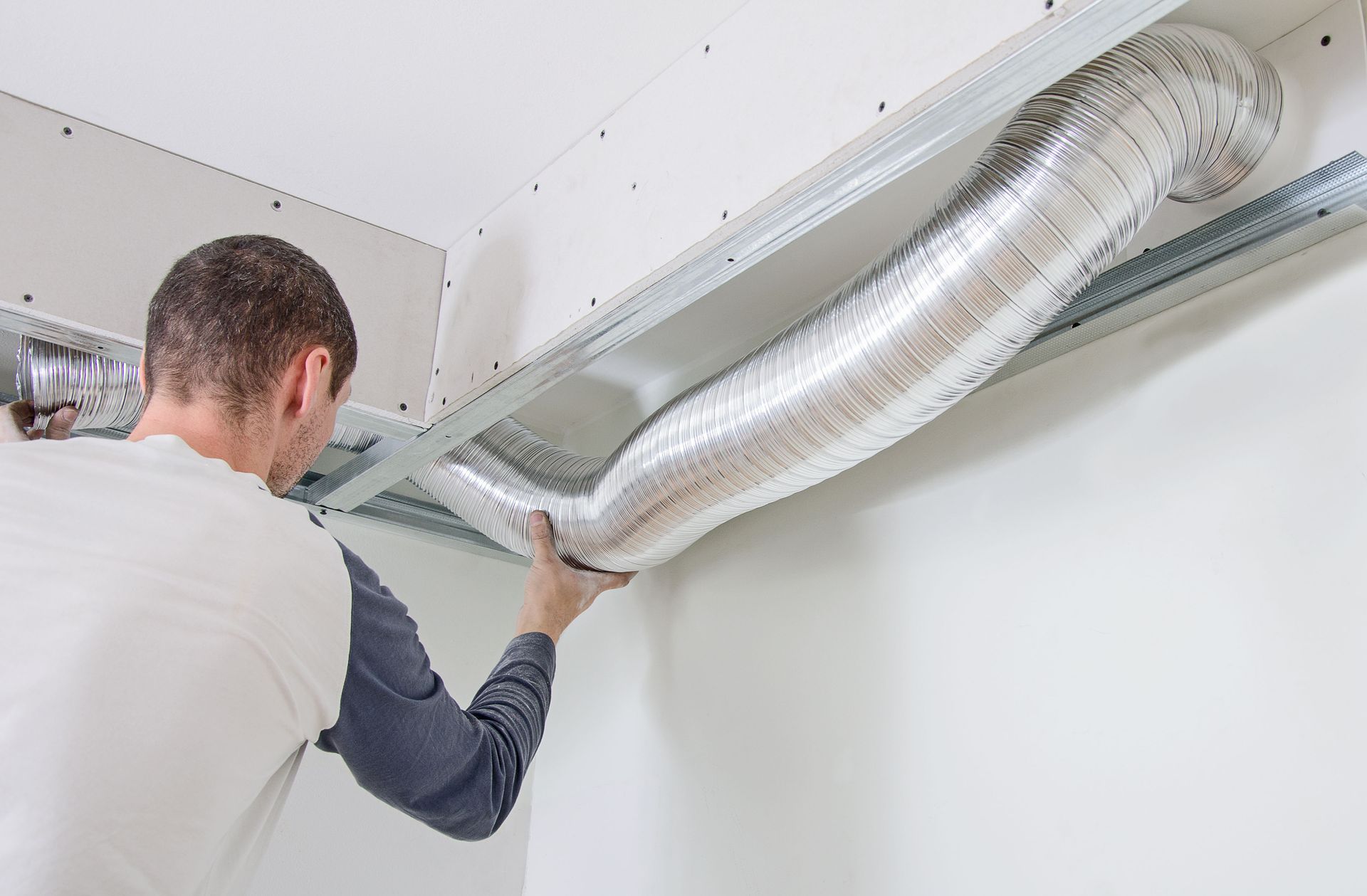
Indoor air quality is critical to the health and well-being of occupants. Factors such as inadequate ventilation, dirty ducts, and ineffective filtration systems can contribute to poor air quality. HVAC systems that fail to circulate and filter air properly can lead to a buildup of allergens, dust, and pollutants. Moisture accumulation is another concern, potentially fostering mold growth and further degrading air purity. Regular assessments and cleaning services provided by HVAC companies can address these factors, creating a healthier indoor environment. Maintaining proper indoor air quality also supports more efficient HVAC performance and overall comfort.
HVAC companies offer comprehensive air quality assessments to identify potential issues within a building. They employ specialized equipment to measure levels of particulates, volatile organic compounds (VOCs), and humidity. These assessments help pinpoint areas requiring intervention, whether through enhanced filtration systems or increased ventilation. Routine assessments are encouraged as part of regular HVAC maintenance plans, keeping air quality at optimal levels. Early detection of air quality issues allows for timely solutions and prevention of more severe health and system complications. These proactive evaluations help homeowners and businesses maintain cleaner, healthier indoor spaces.
3. Refrigerant Leaks
Refrigerant leaks are a prevalent issue in HVAC systems, potentially leading to reduced cooling efficiency or complete system failure. Common causes include wear and tear on refrigerant lines and connections, as well as physical damage from weather or pest interference. Corrosion, often resulting from age or exposure to moisture, can also create leaks. Incorrect maintenance practices, such as improper handling during repairs, may exacerbate the problem. Early detection and repair by HVAC professionals are critical in preventing extensive damage and system inefficiency. Addressing leaks promptly also helps maintain consistent cooling performance and energy efficiency.
Professional HVAC technicians utilize a range of techniques to detect and repair refrigerant leaks effectively. These include electronic leak detectors and ultraviolet dye applications to pinpoint leak locations. Once identified, repairs may involve sealing the leaks or replacing damaged components. Technicians also enforce correct refrigerant recharge levels during the repair process, restoring the system's functionality. Following repairs, thorough testing confirms the leak's resolution, safeguarding against future occurrences and maintaining the unit's optimal operation. This careful process helps protect the system from recurring issues and unnecessary strain on components.
4. Thermostat Malfunctions
Thermostat malfunctions can significantly affect an HVAC system's performance and indoor comfort levels. Calibration errors may result in inaccurate temperature readings, leading to inefficient heating or cooling cycles. Wiring issues, often due to poor installation or wear, can hinder communication with the HVAC system. Connectivity problems, especially with smart thermostats, disrupt remote access and control. Dust and debris accumulation within the thermostat can also cause operational inconsistencies. Identifying and addressing these issues with the help of HVAC professionals establishes consistent and reliable temperature regulation. Regular thermostat inspections can help detect small issues before they affect overall system performance.
Upgrading to programmable or smart thermostat systems offers numerous benefits, including enhanced energy efficiency and user convenience. These modern devices allow for scheduling temperature adjustments based on occupancy patterns, reducing energy consumption during vacant periods. Smart thermostats learn user preferences and adapt settings for optimal comfort. While the initial investment may seem significant, the long-term energy savings outweigh the costs. HVAC companies guide homeowners through the selection and installation process, allowing them to derive maximum benefit from these advanced technologies. These upgrades also give homeowners greater control over their indoor environment throughout the year.
5. Unusual Noises
Unusual noises emanating from HVAC systems can indicate underlying mechanical issues or inefficiencies. Rattling noises often result from loose components or debris in the ducts. Squealing sounds may be linked to worn-out belts or motor bearings, while banging noises suggest potential fan or blower malfunctions. Humming or buzzing sounds could signify electrical issues, posing both performance and safety risks. Identifying the source of these noises enables HVAC professionals to diagnose and repair the faults promptly for the system's continued smooth operation.
Excessive noise from HVAC systems not only disrupts comfort but also signals inefficiencies that can degrade system performance. Components subjected to increased stress due to wear and tear are more likely to fail, reducing overall efficiency. Continuous operation in such conditions increases energy consumption, reflected in higher utility bills. Additionally, noise-related issues may exacerbate existing faults, necessitating extensive repairs or replacements. Professional diagnosis and intervention prevent these adverse consequences, maintaining system efficiency and prolonging lifespan.
6. Water Leaks in HVAC Systems
Water leaks in HVAC systems are often caused by clogged drainage pipes, resulting in water backing up and seeping out of the unit. Cracked or damaged drain pans also contribute to leaks, allowing water to escape into surrounding areas. High humidity levels can exacerbate the issue, increasing condensation and potential for leaks. Water damage can lead to property damage, mold growth, and compromised system function. Addressing these leaks promptly with the aid of professional services prevents extensive structural and mechanical damage.
Effective drainage solutions are essential in managing HVAC system water leaks. Properly designed drainage systems channel water away from critical components, preventing leaks and associated damage. Regular maintenance by HVAC technicians includes cleaning and inspecting drainage systems to maintain optimal function. Integration with home drainage systems further enhances water management, protecting property and system performance. Correct drainage installation and maintenance reduce leak risks and support sustainable HVAC operation.
HVAC systems are essential for maintaining comfort and air quality in residential and commercial spaces. Despite their importance, they're vulnerable to a variety of problems, from inadequate heating and cooling to complex mechanical failures. Professional HVAC companies provide the expertise, diagnostic tools, and solutions necessary to address these issues effectively. Contact Bear Mechanical today for reliable HVAC repair and maintenance services that keep your home comfortable and your system running efficiently year-round.